Why Every Realtor Needs a Website, Ads, and Email Marketing to Win Today’s Buyers
Buying a home isn’t a quick decision—it’s a journey. Today’s buyers spend weeks (often months) researching neighborhoods, watching the market, and deciding when they’re ready to move. Realtors who show up once and disappear are easy to forget. Realtors who show up consistently build trust—and win the deal.
Here’s why a modern real estate marketing strategy must include a strong website, paid ads, and email marketing working together.
1. Your Real Estate Website Should Be Built for Buyers — Not Self-Promotion
Your realtor website isn’t just a digital business card. For buyers, it should function as a home-search tool.
Property listings on your website exist for people actively buying homes, not as a way to advertise yourself to future sellers. Buyers visit your site to see what’s available right now — not what sold last year.
A buyer-focused real estate website should:
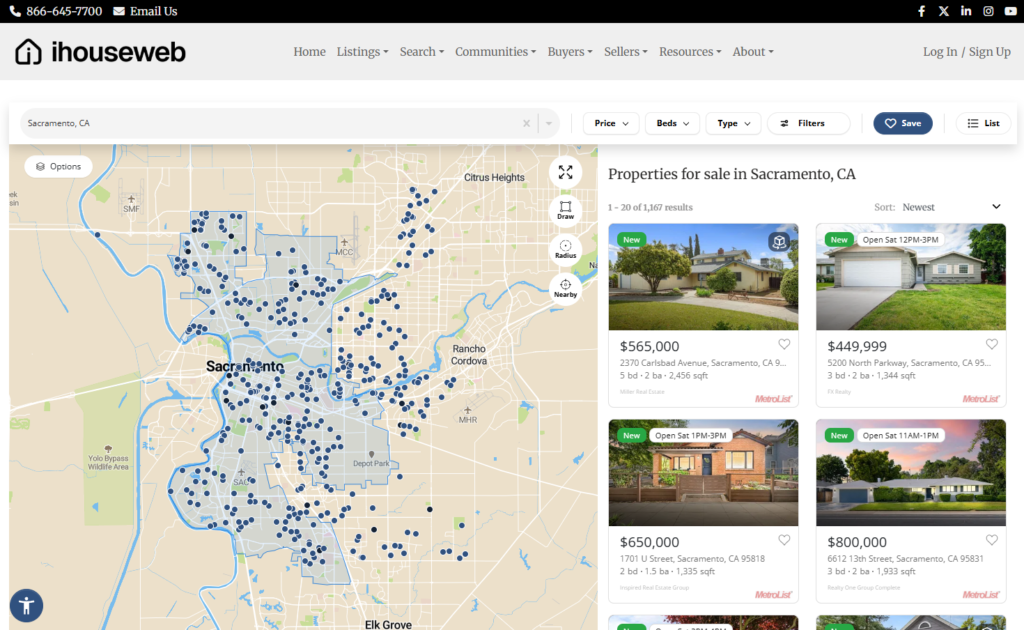
- Allow visitors to filter homes by price, location, bedrooms, and features
- Display only active and available listings
- Remove sold, expired, or withdrawn properties from buyer searches
- Make it easy for buyers to browse without pressure
Leaving sold listings in buyer search results creates frustration and breaks trust. When buyers repeatedly click homes that are no longer available, they stop relying on your website altogether.
A clean, current listing experience tells buyers:
“This is a reliable place to look for homes.”
2. A Quick Note for Sellers: Where You Fit In This Strategy
Sellers are just as important — they’re simply served differently.
While buyer search tools are designed to help people find homes, sellers benefit most from visibility, reach, and education. Instead of appearing in buyer search results, sellers should be supported through:
- Dedicated seller pages on your website
- Market updates and pricing insights
- Email newsletters highlighting demand and trends
- Paid ads promoting your expertise and local reach
By separating buyer tools from seller marketing, you create a clearer experience for both audiences — and demonstrate professionalism to sellers who care about strategy, not just sold signs.
3. What IDX Is (and Why It Matters)
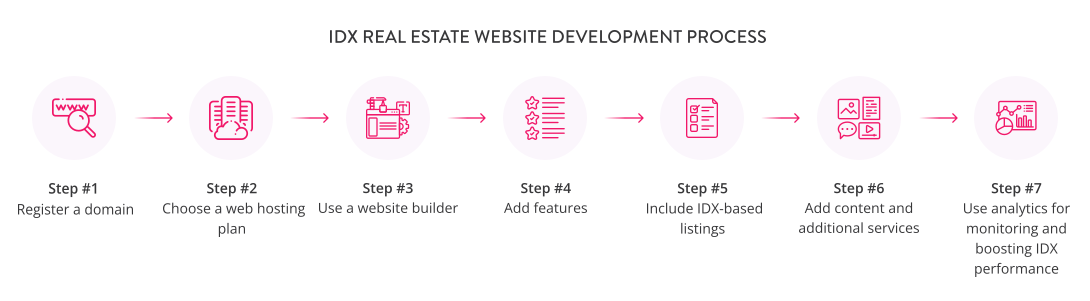
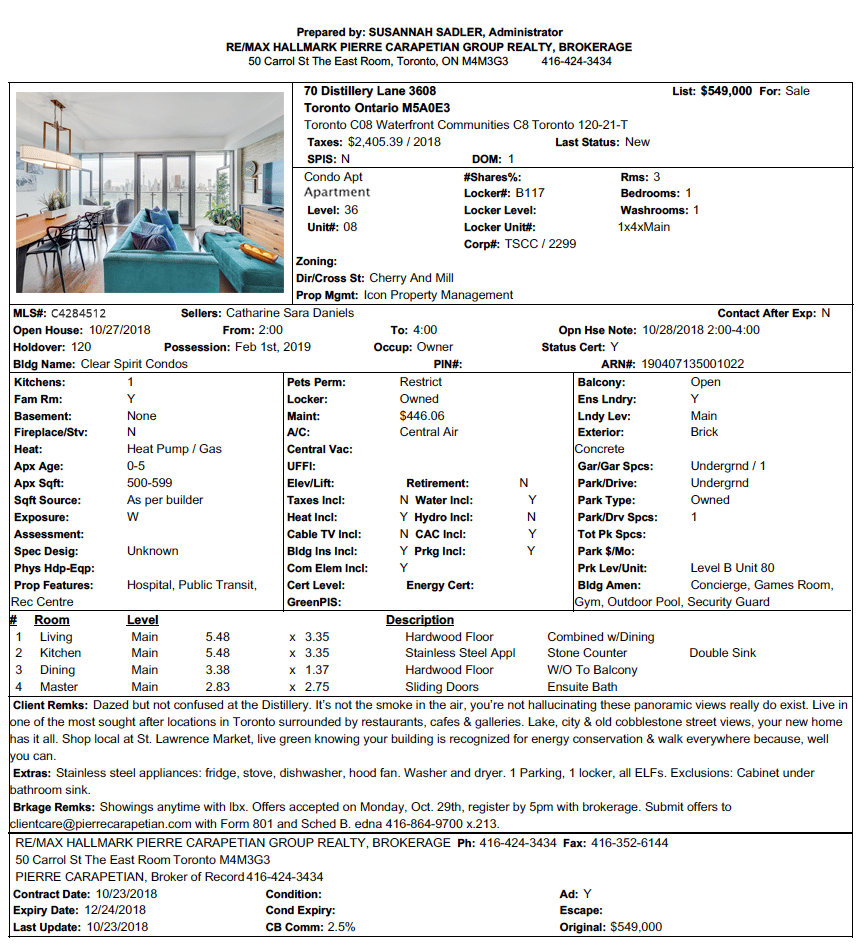
IDX (Internet Data Exchange) is what allows your website to legally display MLS listings.
In simple terms:
- The MLS is where listings are entered and maintained
- IDX is the permission and technology that lets those listings appear on your website
IDX ensures:
- Listings update automatically
- Status changes (active → pending → sold) are reflected quickly
- Your website stays compliant with MLS rules
Without IDX, your website can’t provide a true home-search experience.
4
4. How Your Website, IDX, Zillow, and Realtor.com Work Together
This is where many small real estate offices feel overwhelmed — so let’s simplify it.
Your Website + IDX
Your website with IDX:
- Displays MLS listings directly
- Lets buyers search and filter homes
- Keeps visitors on your site
- Supports saved searches and alerts
This is your foundation.
Zillow and Realtor.com
Platforms like Zillow and Realtor.com:
- Pull listing data from MLS feeds
- Reach massive audiences
- Are excellent for exposure
However:
- You don’t control the experience
- Your listings appear next to competitors
- Buyers often forget who they clicked on
Best practice:
- Use Zillow and Realtor.com for visibility
- Use your website to build the relationship
Think of it this way:
Zillow brings people in.
Your website is where trust is built.
5. Popular IDX Providers (Small-Office Friendly)
You don’t need a custom-built system. These IDX providers are widely used and accessible for small offices:
- IDX Broker – Reliable and WordPress-friendly
- Showcase IDX – Clean design and modern search
- iHomefinder – Strong alerts and automation
- Real Geeks – Website + CRM in one system
Most IDX providers:
- Handle MLS compliance
- Update listings automatically
- Require minimal technical upkeep once installed
6. Why Paid Ads Matter During Long Buyer Journeys
Homebuyers don’t decide overnight. That’s why real estate social media marketing is so important.
On average:
- Buyers research for 4–10 weeks
- Many take 3+ months before going under contract
- The full journey often lasts 4.5 months, followed by 30–45 days to close
Paid Facebook and Instagram ads help you:
- Stay visible during long decision cycles
- Promote buyer searches, guides, or market updates
- Drive traffic back to your website
Ads work best when they point to:
- Filtered IDX searches
- Buyer resources
- Email sign-up pages
For those who are interested in trying ads out for the first time Mike Sherrard offers a great tutorial on Facebook Facebook Ads for Realtors 2025 – EASY TO FOLLOW [STEP-BY-STEP Tutorial].
7. Email Marketing Is What Keeps You Top-of-Mind
Email marketing is the piece many small real estate offices overlook — and it’s the one that makes everything else work better.
Email allows you to:
- Send new listings automatically
- Share market updates without being intrusive
- Educate buyers at their pace
- Stay relevant for months, not days
This is why many small offices use ConvertKit.
ConvertKit is well-suited for small teams because it:
- Is simple to set up
- Automates follow-up emails
- Separates buyers and sellers easily
- Doesn’t require a full-time marketer
👉 I use ConvertKit on my own websites, this is an affiliate link to Kit, which means I will earn a small commission if you use this link.
Final Takeaway for Small Real Estate Offices
You don’t need a big budget or a digital department — you need a clear system:
- Website + IDX → Serves buyers actively searching
- Zillow/Realtor.com → Provides exposure
- Paid Ads → Bring in new prospects consistently and keep property listings in front of people
- Email Marketing → Nurtures long decision journeys
- Clear buyer vs seller experiences → Builds trust
A modern real estate website isn’t about showing how many homes you’ve sold.
It’s about helping buyers confidently find the right home — and showing sellers you know how to attract serious buyers while keeping their property in front of buyers.